



Business & Technology
AI, startups, big tech, innovation, enterprise trends
A palpable tension is emerging as companies grapple with the dual-edged sword of AI integration. While enterprises rush to adopt AI, often leading to hasty layoffs and a lack of understanding of the technology's implications, there's a growing recognition of the need for structured governance and safety measures to navigate the complexities of AI deployment. Simultaneously, the landscape is shifting dramatically, with new infrastructures being built for machine-generated interactions and evolving workforce dynamics, underscoring that the future of work—and the economy—will hinge on how well organizations adapt to these rapid changes.
Articles
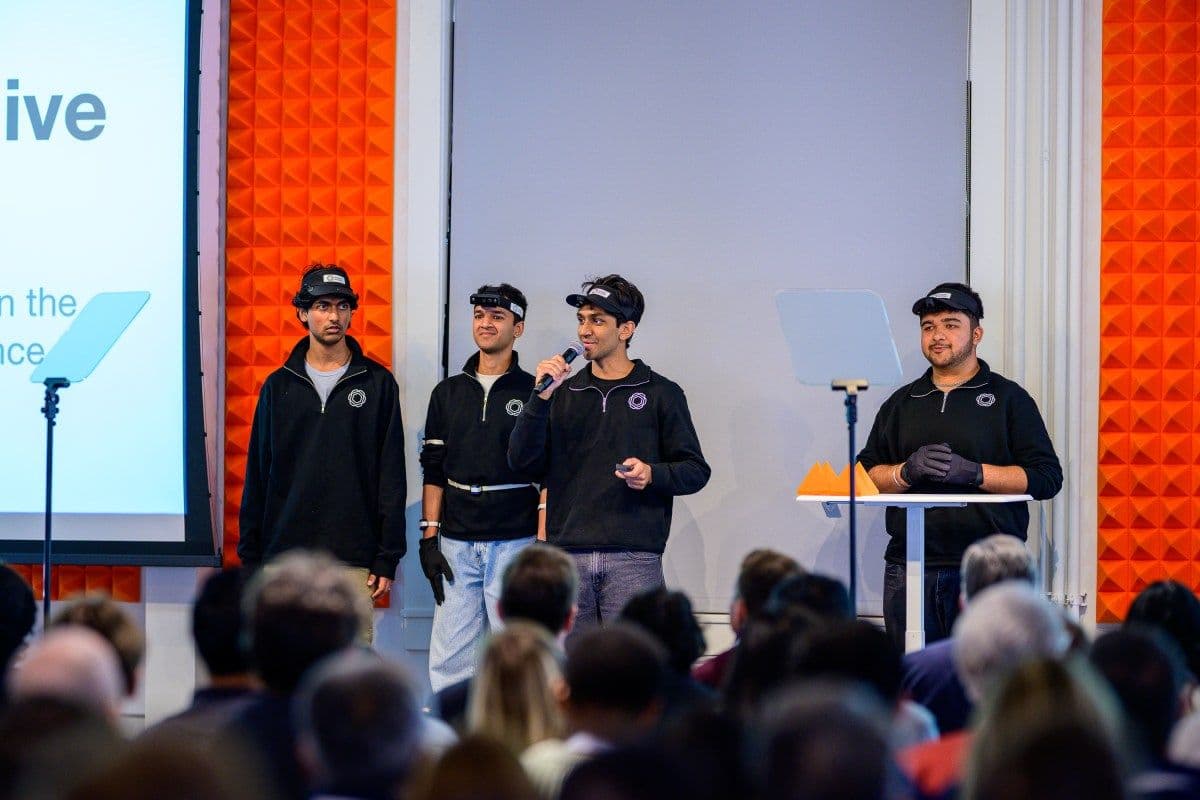 This startup is betting India’s gig economy can train the world’s robots
Human Archive is leveraging India's gig economy by employing workers to gather essential real-world data for training AI and robotics systems, addressing a critical need in the tech industry.
 Rethinking organizational design in the age of agentic AI
Organizations are struggling to integrate agentic AI into their operations, with a significant gap between their ambitions and current capabilities, as many are merely layering AI onto outdated models rather than rethinking their entire organizational design. This disconnect risks preventing businesses from fully realizing the transformative potential of AI agents, which could significantly enhance efficiency across various functions.
 Autonomous AI systems test governance in physical environments
The emergence of autonomous AI systems in physical environments raises significant governance challenges, as existing frameworks primarily address online risks. Recent discussions highlight the need for robust operational safety measures and continuous monitoring to mitigate the amplified risks these systems pose to infrastructure and human safety.
 What ClickUp’s mass layoff tells us about the future of work
ClickUp's recent mass layoffs, where hundreds of employees are being replaced by AI agents, highlight a significant shift in the future of work as companies increasingly turn to automation.
 One Job That Is Growing in the A.I. Era? Cybersecurity Experts.
The rise of artificial intelligence is driving a significant increase in demand for cybersecurity experts, as the proliferation of new code and models raises new security concerns.
 Everyone is navigating AI security in real time — even Google
AI security is a pressing concern as companies, including Google, navigate the challenges and implications of integrating artificial intelligence into their systems in real time.
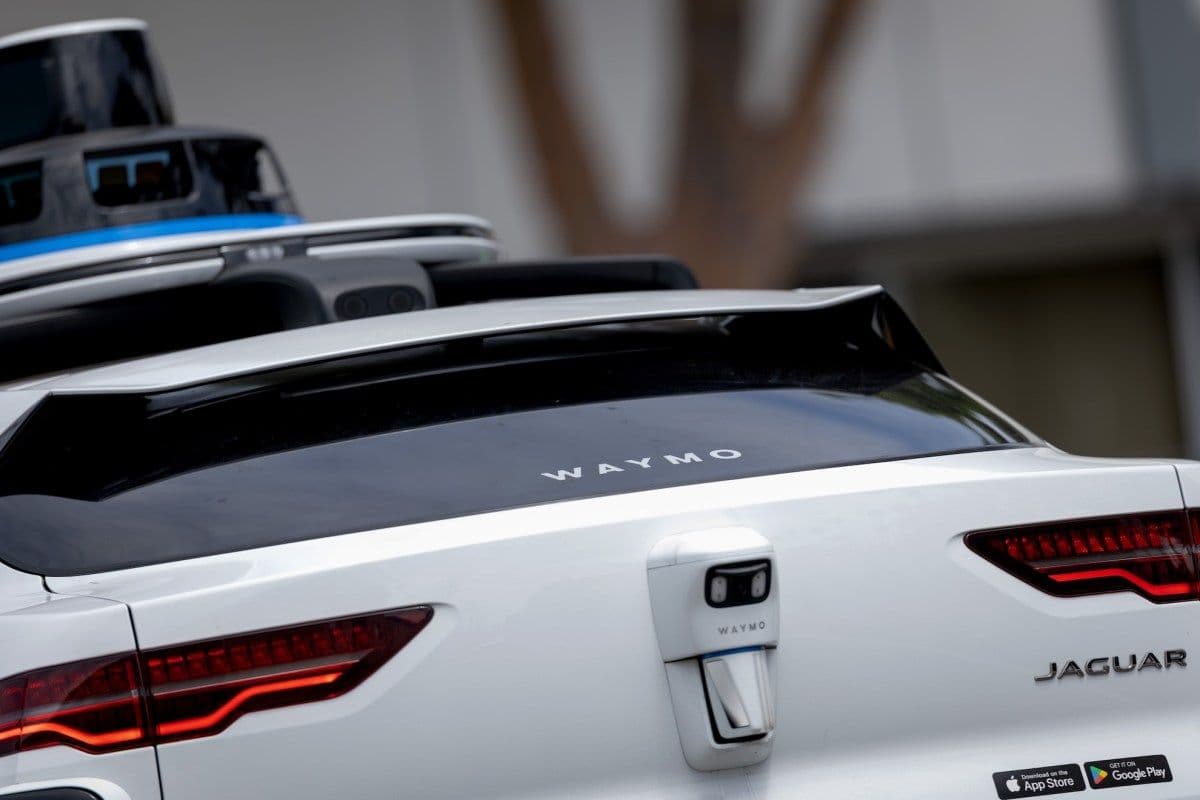 TechCrunch Mobility: Robotaxi reality check
The article provides a critical analysis of the current state of robotaxi technology, highlighting the challenges and limitations that companies face in making autonomous ride-hailing a practical reality.
 New York official warns AI could cost city thousands of jobs
A New York City official cautioned that the rise of artificial intelligence could lead to significant job losses, potentially costing the city thousands of positions, as outlined by Comptroller Mark Levine.
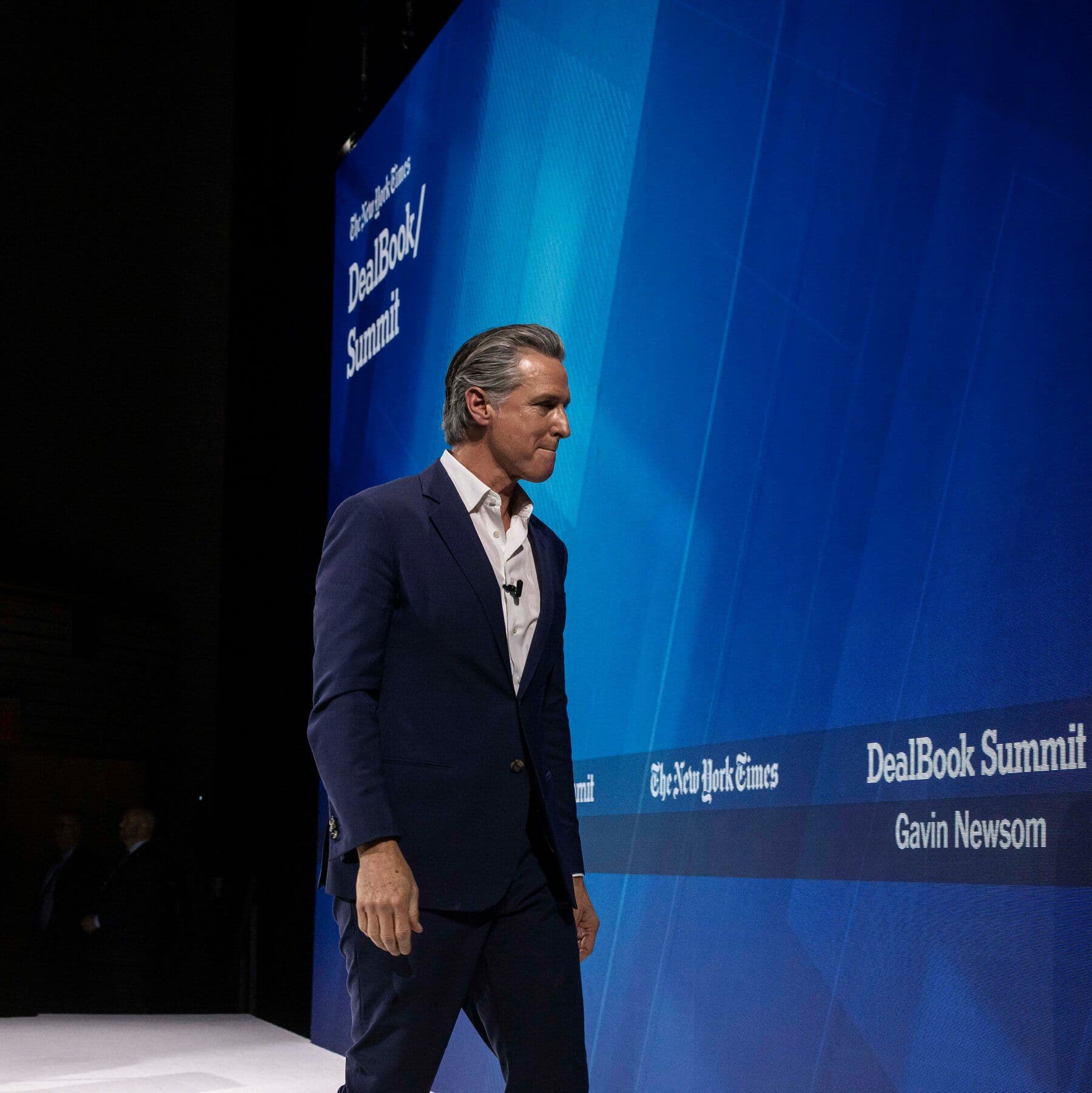 Giving Workers a Stake in A.I. Gains Traction
California Governor Gavin Newsom is proposing a policy that would allow workers to have ownership stakes in the profits generated by artificial intelligence advancements, a concept gaining traction in Silicon Valley.