



Business & Technology
AI, startups, big tech, innovation, enterprise trends
There’s a palpable tension in the tech landscape as organizations grapple with the dual-edged sword of AI integration. On one hand, firms are racing to adopt AI-driven solutions, often overlooking the nuanced understanding required for effective implementation, leading to layoffs and a disconnect in workforce dynamics. On the other, there's a growing recognition of the need for structured governance frameworks and safety measures to navigate the complexities and risks associated with AI, particularly as it reshapes job markets and organizational designs. The stakes are high, with disparities in talent retention and compensation further complicating the narrative of progress in an increasingly AI-dominated economy.
Articles
 China’s AI just mapped its entire renewable energy grid. Here’s why the rest of the world should pay attention
China has achieved a groundbreaking feat by creating a comprehensive AI-generated inventory of its renewable energy infrastructure, mapping nearly 320,000 solar facilities and over 91,000 wind turbines. This development highlights the urgent need for global economies to enhance their grid coordination capabilities to accommodate the rising electricity demands driven by AI and data centers.
- OpenAI opens Singapore AI lab as IMDA updates AI framework
OpenAI is establishing its first Applied AI Lab outside the US in Singapore, backed by over S$300 million, aiming to create 200 technical roles and align with the country's AI Mission priorities. Concurrently, Singapore has updated its governance framework for agentic AI, enhancing guidelines for responsible deployment based on industry feedback.
 Google I/O showed how the path for AI-driven science is shifting
The Google I/O keynote highlighted the contrasting visions for AI in science, with Demis Hassabis emphasizing the potential of AI to transform research while showcasing practical applications like WeatherNext that address specific scientific challenges. This tension raises questions about the future role of specialized AI tools versus autonomous systems capable of conducting research independently.
 Anthropic’s Code with Claude showed off coding’s future—whether you like it or not
Anthropic's recent 'Code with Claude' event showcased the rapid integration of AI in software development, with many developers now relying on Claude to write code autonomously, raising questions about the future role of human programmers. The shift towards AI-driven coding is becoming normalized, as companies like Anthropic push for greater automation in the coding process.
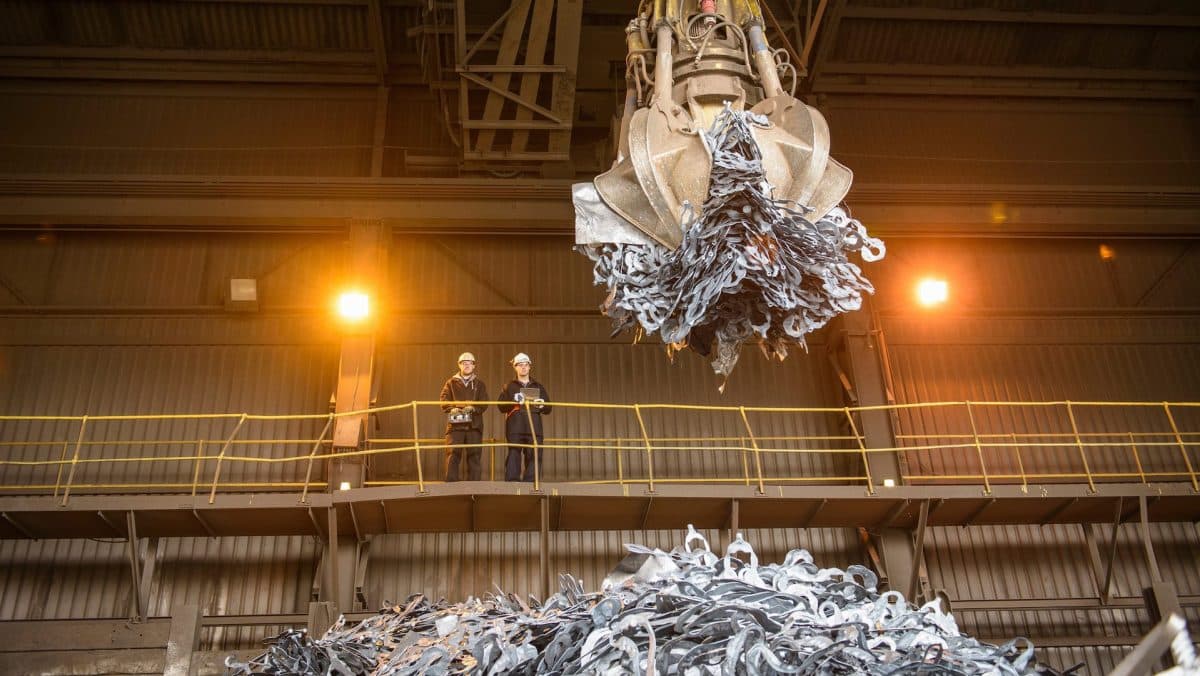 With aluminum prices up 20%, recycling startups bet on AI to cash in
Recycling startups are leveraging AI technology to enhance the recovery of aluminum, capitalizing on a 20% price increase to establish a significant supply source for this critical mineral.
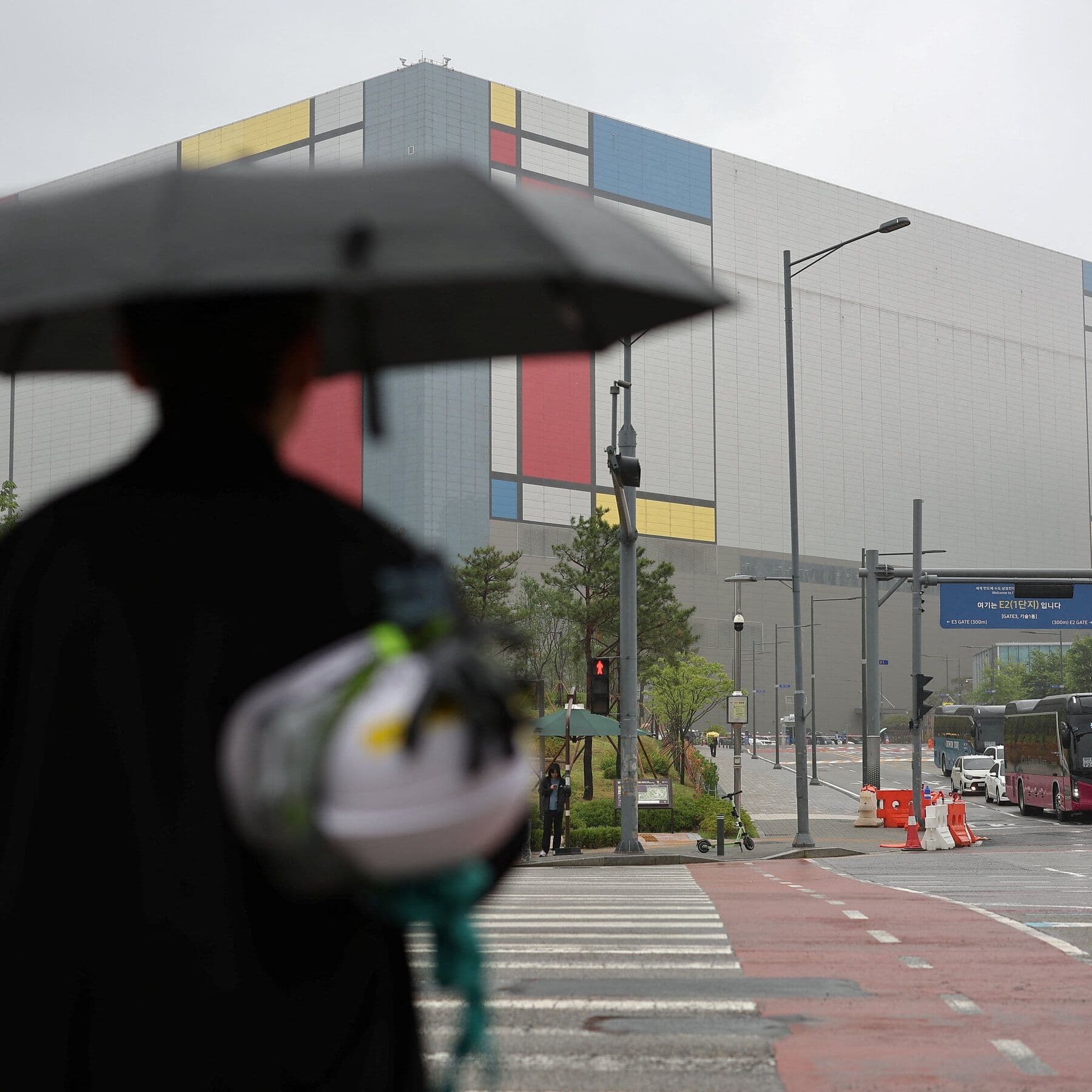 Samsung Averts a Walkout With Big Bonuses, but Discord Over A.I. Profits Brews
Samsung Electronics, benefiting significantly from the A.I. boom, has managed to avert a potential employee walkout by offering substantial bonuses, yet tensions remain over the equitable distribution of profits generated from A.I. advancements.
 The Growing Anxiety Over AI, Jobs and the Future
Layoffs attributed to artificial intelligence are creating widespread anxiety among workers and recent graduates, as global polls reflect rising concerns about the future of jobs in an AI-driven economy.
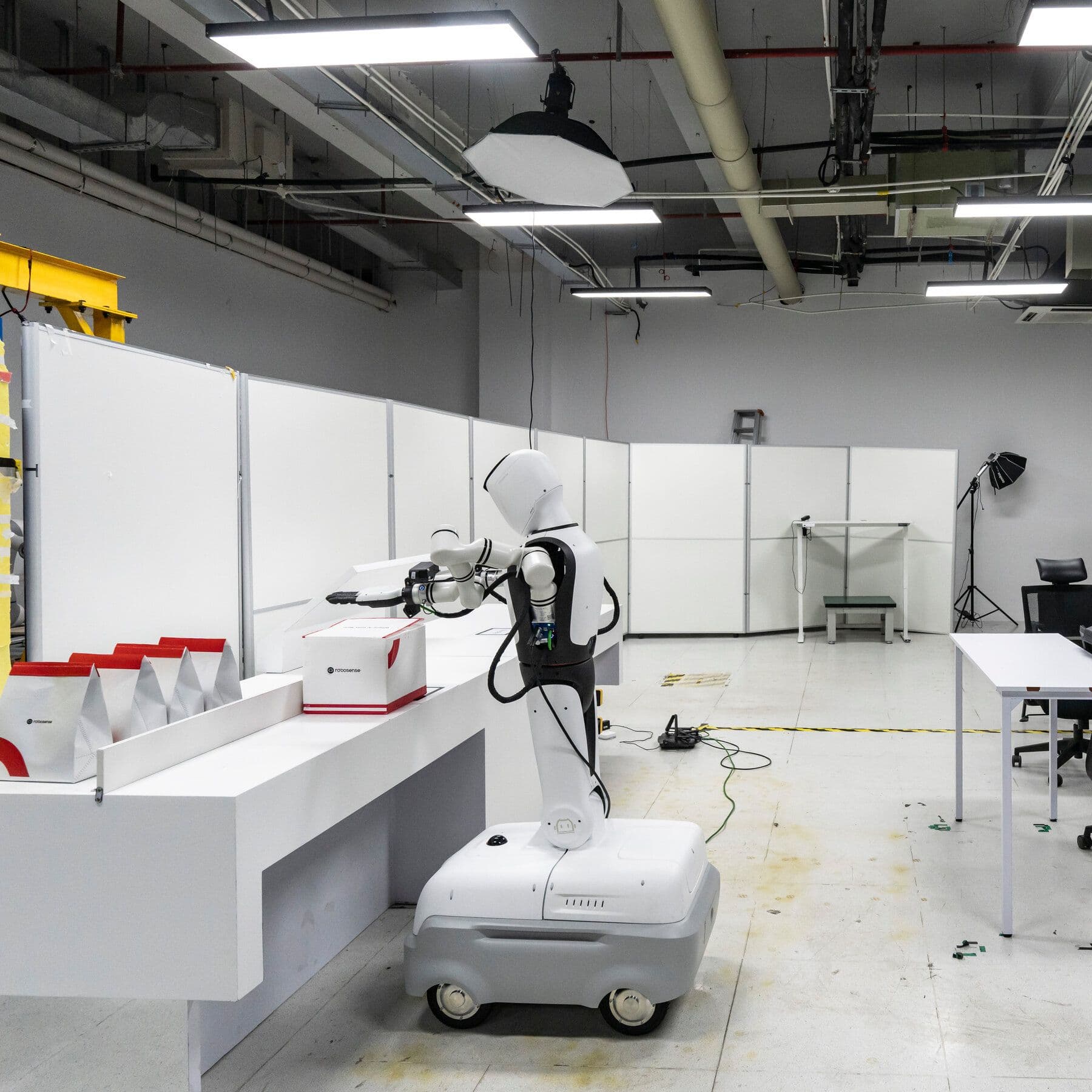 China Wants A.I. to Flourish, but Not at the Expense of Jobs
Chinese courts are increasingly involved in protecting workers from job displacement caused by artificial intelligence, reflecting the government's desire to promote A.I. development without sacrificing employment.
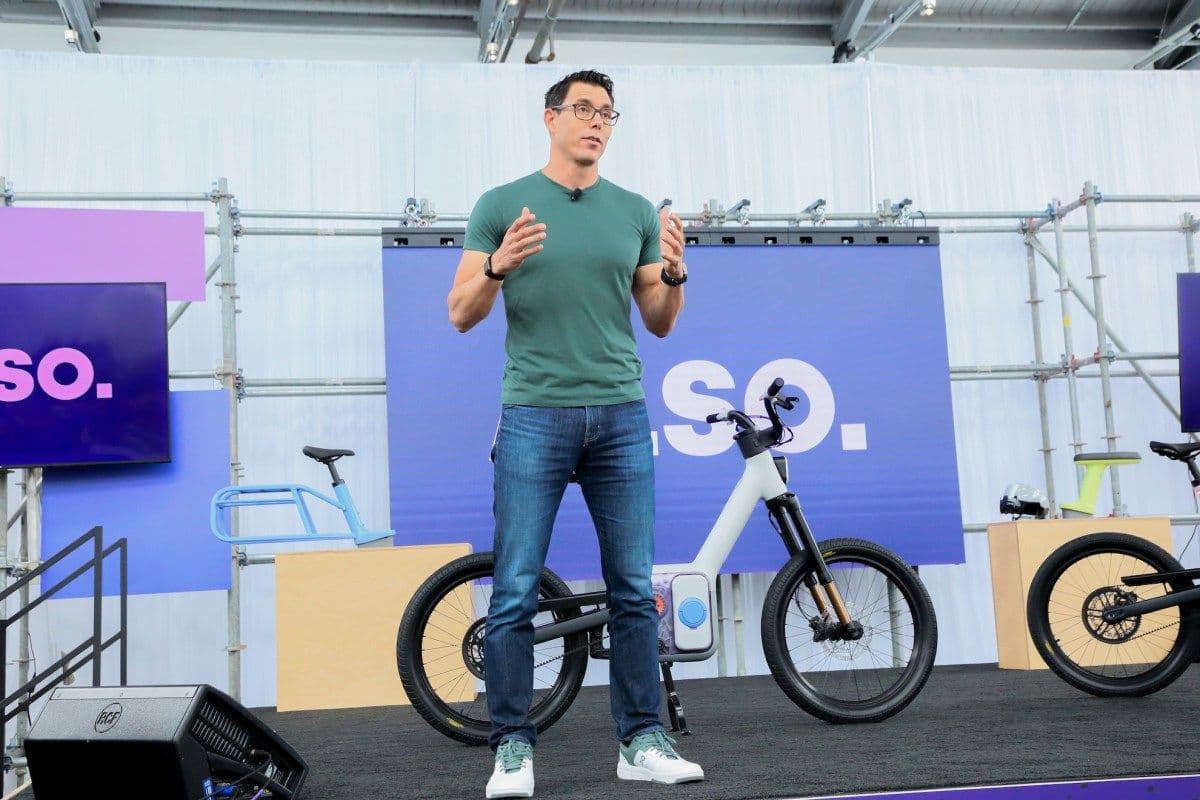 TechCrunch Mobility: The AI skills arms race is coming for automotive
The automotive industry is entering an AI skills arms race, as companies compete to harness artificial intelligence for advancements in transportation technology.